A courtyard at dusk is not a dining room. There is no pass, no line, no front-of-house rhythm built around covers. Food arrives cooked somewhere else and set down for a group. For anyone planning a small wedding or a company retreat here, the question is what the kitchen sends and where it comes from.
The Short Answer
Catering for events at Gjelina Hotel comes from the group's Venice restaurants, Gjelina or Gjusta Bakery. The range runs from coffee and pastries at the start of a day to seasonal lunch, sunset wine and charcuterie spreads, and seated dinners at the end. The menus follow long-standing relationships with Southern California farmers, ranchers, fishermen and co-ops.
From a Restaurant Kitchen to a Courtyard Table
Event catering from Gjelina or Gjusta Bakery runs the length of a day: coffee and pastries at the start, seasonal lunch in the middle, sunset wine and charcuterie spreads, seated dinners at the end. That is the range the Gjelina Group describes for gatherings at the hotel, and it fits the way the property is used: a wedding ceremony and group dinners in the courtyard, small meetings, workshops, wellness retreats, rooms rented for press interviews or team brainstorms.
The food is made by the same kitchens that run the restaurants. Gjelina opened on Abbot Kinney Boulevard in 2008, named for founder Fran Camaj's mother. Gjusta, the bakery and cafe, is named for Gjelina's sister; the hotel carries nods to a third sister, Vitorrja. The group also runs a grocer, home goods and a flower shop, all part of the same Venice operation. The hotel sits one block from the Boardwalk and Beach.
That matters for a room that is not a restaurant. The kitchen cooking for a seated dinner for a wedding party is the same kitchen cooking for the dining room on Abbot Kinney. The pastry going out with morning coffee is the pastry Gjusta sells across the counter.
Where the Ingredients Come From
The group's menus are guided by long-standing relationships with Southern California farmers, local ranchers, fishermen and co-ops. That is the line the Gjelina Group uses on its own food page, and it describes the cooking across the family of businesses rather than one restaurant's menu.
For a planner, that relationship is what makes a seasonal menu work. The farmers' markets in the neighborhood run on a weekly rhythm: the Venice Farmers' Market on Friday mornings from 7 to 11, the Santa Monica markets on Wednesdays and Saturdays from 8 to 1. Produce moves from farm to kitchen to table on a schedule set by what is growing, not by a printed banquet menu.
That is the practical difference between catering from a farm-driven kitchen and catering from a hotel banquet operation that orders to a spec sheet. What shows up at a wedding dinner in the courtyard depends on what the kitchens have been cooking that week.
What a Small Wedding or Retreat Actually Eats
The hotel hosts weddings, celebrations, team retreats, meetings and conferences, with indoor and outdoor spaces and rooms for guests. A full property buyout brings together the space, group rooms and bridal suites, catering from Gjelina or Gjusta Bakery, seasonal flowers, and furniture and linen rentals. The courtyard holds an intimate ceremony and group dinners.
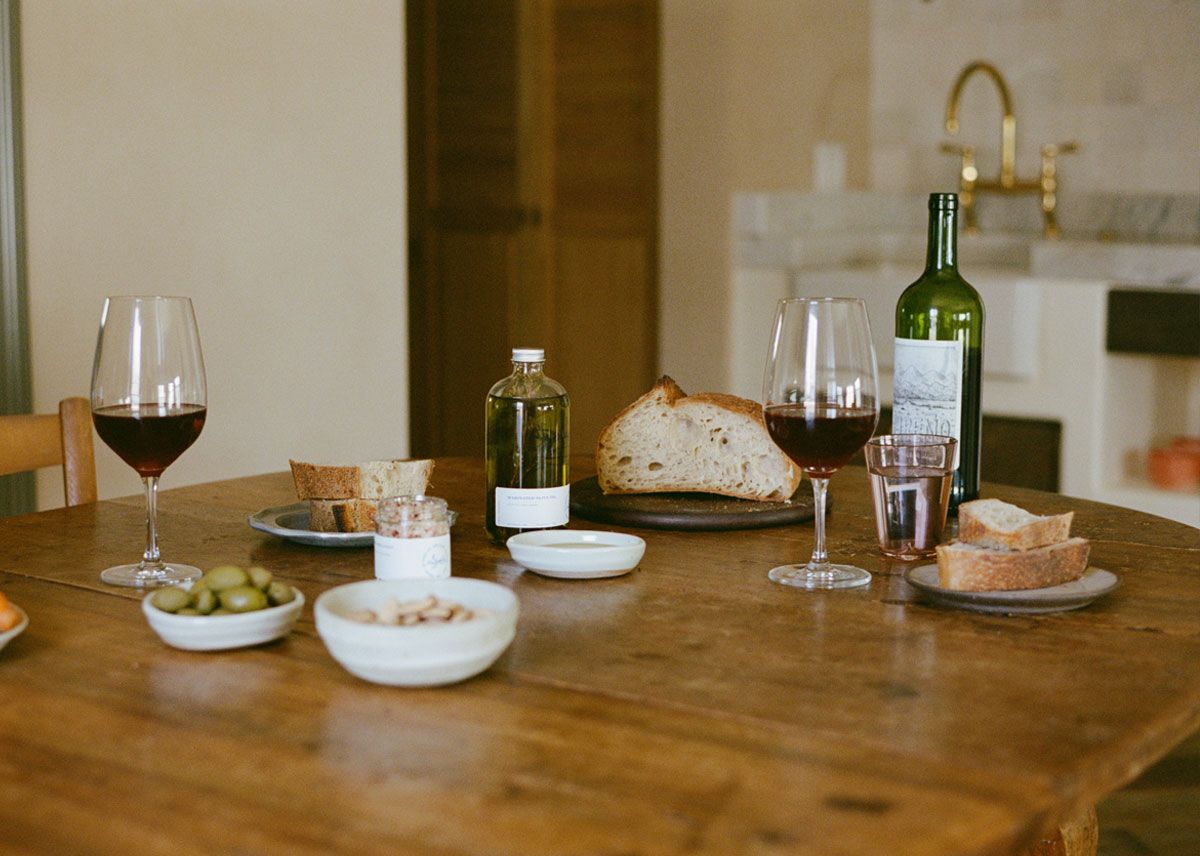
For a retreat, catering follows the shape of the day. Coffee and pastries get people to the first session. Lunch is seasonal and comes out of the same kitchens. A sunset wine and charcuterie spread works in the courtyard or on the wrap-around terrace. A seated dinner closes the day. That is a conversation about what the group wants and what the kitchens can do that week, not an order off a package list.
If the event is a wedding, the courtyard carries the ceremony and the dinner. If it is a team retreat or a workshop, the food fits a working day rather than a banquet. The kitchen cooks for the room, not for a dining room's nightly service.
The Flowers and the Grocer
Gjusta Flower Shop regularly hosts flower arranging workshops and can arrange custom flowers for a room or suite. Gjusta Grocer can stock a fridge from a shopping list sent before arrival. For an event, those are the same relationships that make a buyout feel finished: the flowers and the food come from businesses the group runs, not from three vendors stapled together.
That is what a room that is not a restaurant gets from a restaurant group. The kitchen, the bakery, the grocer and the flower shop are all in the neighborhood, all part of the same operation, and all already cooking and arranging for the people who live and eat here.
For a small wedding, a retreat or a meeting, the question is who is cooking and where the food comes from. The events page lays out the spaces and the kinds of gatherings the hotel hosts. The food and drink page lists the restaurants and the sourcing relationships. The wedding post describes what a small ceremony here looks like. For the wider neighborhood, the neighborhood page covers markets and shops nearby.
Common questions
Who caters events at Gjelina Hotel in Venice?
Event catering comes from the Gjelina Group's own Venice restaurants, Gjelina or Gjusta Bakery. The range runs from coffee and pastries through seasonal lunch, wine and charcuterie spreads and seated dinners.
Where do the ingredients for Gjelina catering come from?
The group's menus are guided by long-standing relationships with Southern California farmers, local ranchers, fishermen and co-ops, as described on the hotel's food and drink page.
Can you host a small wedding or team retreat with food at Gjelina Hotel?
The hotel hosts weddings, celebrations, team retreats, meetings and conferences, with indoor and outdoor spaces and rooms for guests. Weddings can hold an intimate ceremony and group dinners in the courtyard, and a full property buyout brings together the space, rooms, catering, seasonal flowers and rentals.
Can flowers and groceries be arranged for an event at the hotel?
Gjusta Flower Shop can arrange custom flowers for a room or suite and regularly hosts arranging workshops, and Gjusta Grocer can stock a fridge from a shopping list sent before arrival.